

Blog

Attachment and Perfectionism
Perfectionism is often perceived as a personality trait, something you either have or don't, like being tall or being good at math. In practice, it's rarely that simple.

What Comes Next After Receiving an Adult Autism Diagnosis
Receiving an autism diagnosis as an adult can answer questions you've carried for years. Certain experiences suddenly make more sense.

My Child Won't Talk About Their Feelings. Can Therapy Still Help?
You ask your child how they're feeling, and you get the same answer: “Fine.” You ask whether something happened at school. They say they don't know.

High-Functioning Anxiety: Why Success Doesn't Always Mean You're Okay
Some people with anxiety look exactly like the person everyone else wants to be. They meet deadlines, answer emails quickly, remember birthdays, volunteer for extra responsibilities, and rarely show up unprepared.

The Emotional Stages of Divorce for Men
Divorce changes nearly every part of life. It affects routines, relationships, finances, parenting, and the way a person sees the future.

Back-to-School Anxiety: When Nerves Become More Than Butterflies
The start of a new school year comes with a lot of unknowns. New teachers, different classmates, harder assignments, changing routines, and social pressure can make students nervous before the first day even arrives.

Why Young Adulthood Feels So Overwhelming Even When Life Looks Fine
We assume that young adulthood should be exciting. You finish school, start a career, build relationships, and gain more independence. You smile in photos and outwardly your life seems to be moving in the right direction, but inside you're freaking out.

Why You Can’t “Just Relax” When You’re Stressed (and What Actually Helps)
If you've ever told someone you were overwhelmed and heard, "Just relax," that probably didn't make you feel any better. You likely even felt frustrated on hearing that.

Diagnosis and Treatment of ADHD in Men
Many men spend years feeling like they are always trying to catch up. They miss deadlines, forget conversations, lose track of projects, or struggle to stay organized.

How Trauma Changes the Nervous System: Why Your Body Reacts Before You Think
Have you ever felt your heart race during a simple conversation? Maybe a loud noise made you jump, or someone raised their voice and your body tensed before you even understood why.

How Depression Affects Self-Esteem and Identity
Depression can change how people see themselves, how they interact with others, and even how they define who they are. Many people think of depression as sadness, low energy, or a loss of appetite or interest in activities.

The Mental Load: Why So Many Adults Feel Constantly Overwhelmed
Some adults walk through their day feeling like they're carrying too much. They wake up thinking about appointments, work deadlines, bills, household tasks, family responsibilities, and unanswered messages.

Marriage Problems That Are Actually Common
Most couples hit rough patches and quietly wonder whether they’re the only ones struggling. They’re not. Some of the most distressing relationship problems are also the most universal.
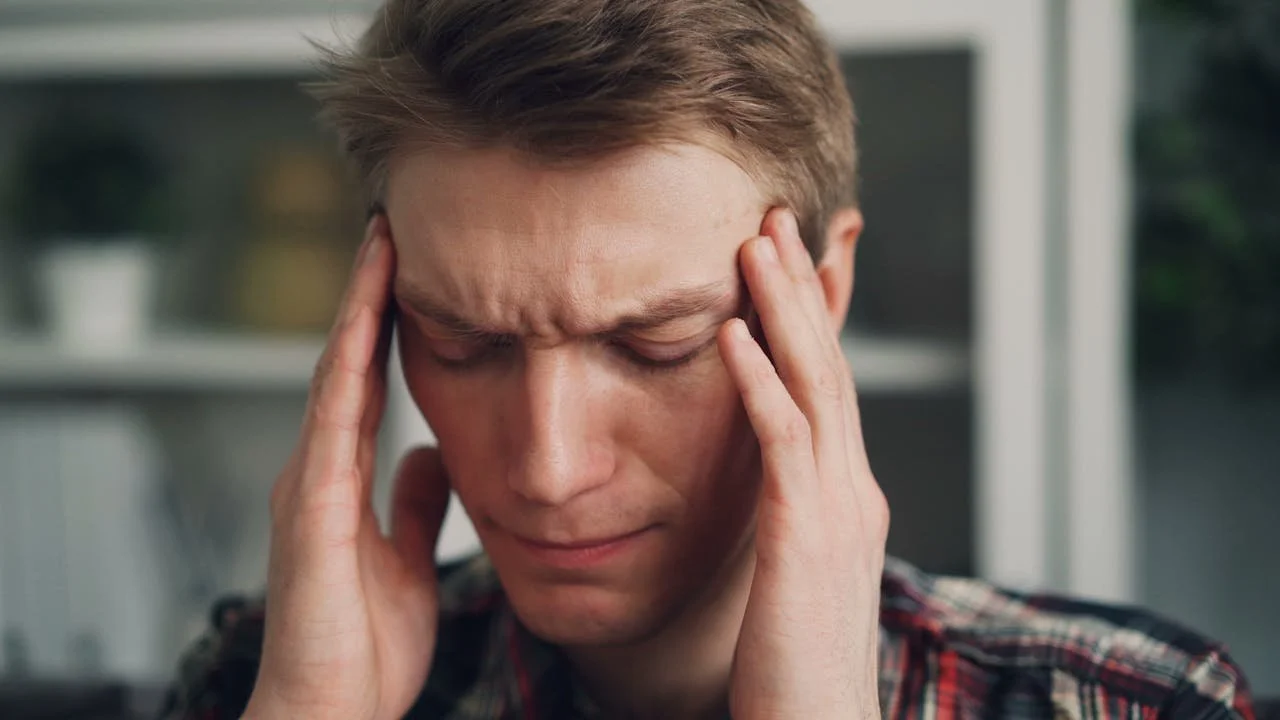
Why Am I Angry All the Time?
Anger is one of the most misunderstood emotions people experience. They describe themselves as “always irritated,” or “mad for no reason," when in fact it usually has a reason.

Healthy Ways to Express Anger in Relationships
Every relationship includes anger. Even healthy couples sometimes lose patience and argue. Anger, and the way people express it, shapes trust, emotional safety, and long-term connection.

What It Means to Function While Depressed
A lot of people picture depression as staying in bed all day or crying constantly. That may be true for some people. At the same time, many with depression still go to work, answer emails, take care of children, pay bills, and show up for other people every day.

When One Partner Wants Therapy and the Other Doesn’t
It's not uncommon when one partner wants therapy but the other doesn't. While one feels overwhelmed or disconnected and wants help, the other shuts down the idea of therapy or avoids the conversation altogether.

Effective Ways to Cope with OCD Symptoms in Daily Life
Living with OCD can be exhausting. When symptoms are at their worst, the disorder has a way of narrowing your world. It shrinks what feels possible and makes even ordinary moments feel loaded with anxiety.

Supporting a Partner With Depression Without Burning Out
It can be disorienting to realize your relationship has changed, but not fully understand why. You might notice distance, tension, or a loss of connection without having a clear explanation.

How Emotional Distance Develops in Long-Term Relationships
Emotional distance rarely shows up as a dramatic shift, but in quieter ways that are easy to explain away. You stop finishing each other’s thoughts. You start editing what you say.