How Play Therapy Helps Children Manage Big Emotions
Big emotions show up even when children are very young. Anger, fear, sadness, jealousy, and excitement can all hit at once. Because children often lack the words to explain what is happening inside them, a request to talk about them can feel overwhelming or confusing. Play therapy meets children where they already are. It uses play as the main language of expression and helps children learn how to manage emotions in a way that feels safe and natural. Let's discuss how play therapy helps.
Why Talking Is Hard for Kids
Children do not think or communicate the same way adults do. Their brains are still developing the skills needed for reflection, emotional labeling, and impulse control, not to mention simple vocabulary. Many children know they feel bad but do not know why. Others feel everything at once and, overwhelmed, react with behavior rather than words.
Play therapy respects this developmental reality. Instead of pushing conversation, it allows children to express thoughts and feelings through toys, games, art, and movement. This approach reduces pressure and builds trust faster than talk alone.
What Play Therapy Looks Like
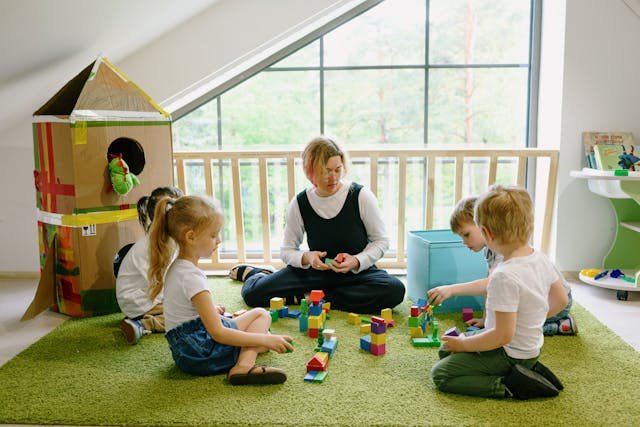
Play therapy is structured, intentional, and guided by clinical training. It is not free play or babysitting. A therapist carefully chooses materials that invite emotional expression and problem-solving. These may include dolls, figures, sand trays, art supplies, board games, or pretend play sets.
As children play, therapists observe patterns. They take note of themes kids reveal, like control, safety, fear, or connection. The therapist may reflect emotions, set limits, or gently guide the play to help the child practice new skills. Over time, children begin to understand their emotional world and how to respond to it.
How Play Helps Regulate Emotions
Play gives children a way to release emotions without feeling exposed or judged. A child may act out anger with figures, show fear through storytelling or drawing, or explore power and control in games. These actions allow emotional release while keeping the child emotionally safe.
Through repetition and support, children learn emotional regulation skills. They practice calming their bodies, tolerating frustration, and recovering from mistakes. Play therapy also strengthens the connection between emotion and action, which helps children pause instead of reacting impulsively.
Building Skills That Last Outside the Therapy Room
One of the biggest strengths of play therapy is skill transfer. Children do not just feel better during sessions. They begin to carry skills they learn in therapy into daily life. These skills include identifying emotions, asking for help, handling transitions, and managing conflict.
Therapists often work with caregivers as well. Parents learn how to respond to emotions with consistency and calm. This teamwork reinforces progress and helps children feel supported beyond the therapy space.
Who Can Benefit From Play Therapy
Play therapy supports a wide range of children. It can help children dealing with anxiety, behavioral challenges, grief, trauma, attention issues, or family changes. It also helps children who struggle socially or emotionally but do not know how to explain why.
Children do not need a crisis to benefit. Play therapy can support emotional growth, confidence, and resilience at any stage.
A Gentle and Effective Path Forward
Children want to be understood. Play therapy for children gives them a voice that fits their developmental needs. It helps them make sense of big emotions without forcing adult language or expectations. With time and consistency, children gain tools that support emotional health for years to come.
If you are considering children's therapy and want a developmentally appropriate approach, play therapy may be the right fit. To learn more or begin the process, schedule an appointment with our office. Support early can make a lasting difference.