Why Couples Fight About the Same Things Over and Over
If you have ever thought, “We just had this argument,” you are not alone. Many couples find themselves stuck in the same disagreements, even when they both want things to improve. It can feel frustrating and exhausting. Often, the issue is not the topic itself, but the pattern underneath it.
It's Not Usually About the Surface Issue
Couples often believe they are arguing about chores, money, or time together. While those things matter, they are rarely the whole story.
One partner may feel ignored, while the other feels criticized. These deeper emotions intrude into the argument, even as the topic changes. So the argument keeps coming back, just wearing a different outfit.
If your fights feel familiar, it may be a sign that something deeper is not being addressed.
Patterns Take Over
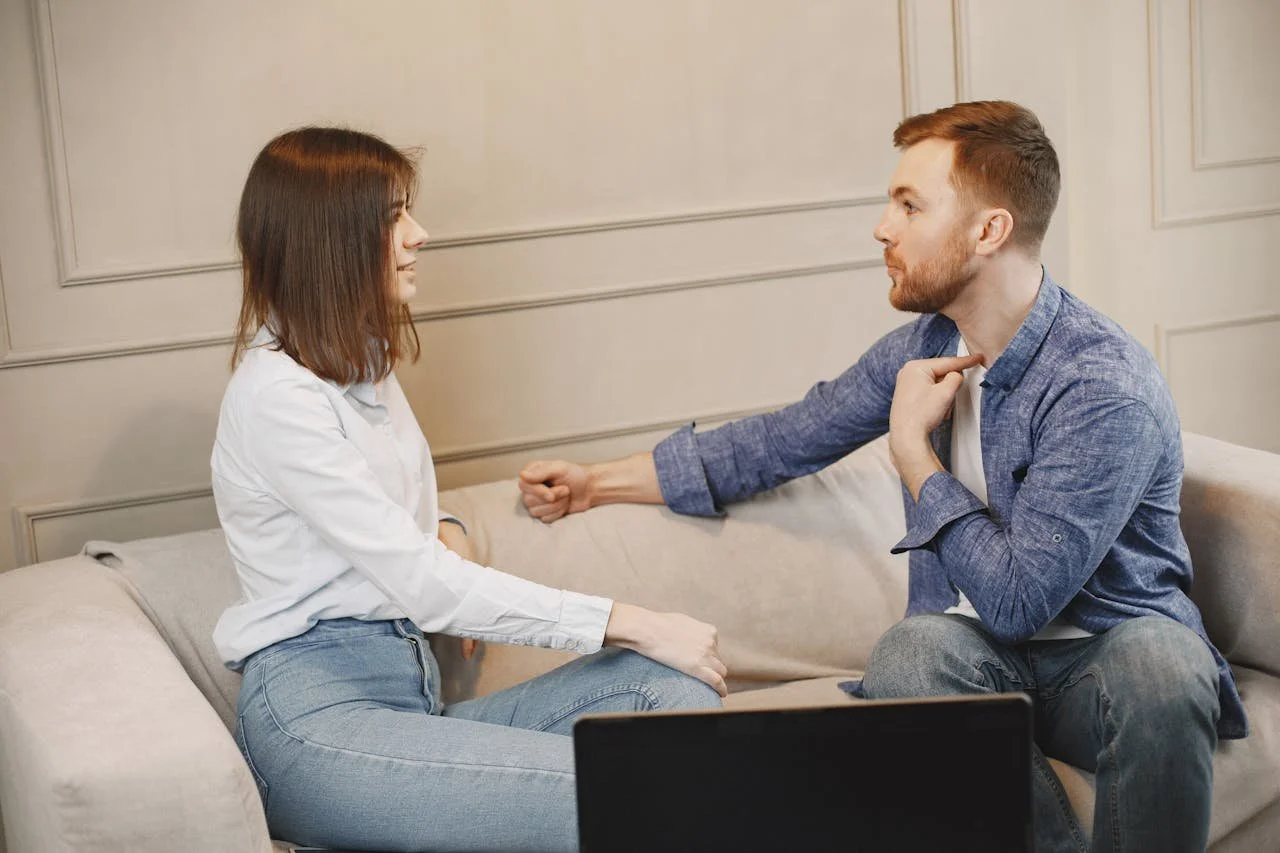
Most couples fall into predictable roles during conflict. One person may push for answers or change, while the other shuts down or pulls away.
Over time, these responses become automatic. Instead of reacting to what is happening in the moment, you begin reacting to what you expect will happen.
For example, if you expect your partner to dismiss your concerns, you may come on stronger or more defensive. That can make your partner withdraw even more. The pattern keeps feeding itself. Breaking the cycle starts with awareness. You cannot change what you don't see!
Unspoken Expectations
Many repeated fights stem from expectations that were never clearly discussed. You may expect your partner to help without being asked. They may expect you to ask for things directly. Both of you feel frustrated, but neither attempt to address these expectations.
This leads to confusion and resentment. Each believes they are being reasonable, but the truth is that they're working with different rule books. Clear communication helps. Saying what you need directly may feel uncomfortable, but it reduces guesswork and prevents repeated conflict.
Old Experiences Appear New Arguments
Your past does not stay separate from your relationship. It shapes how you react, what you fear, and how you interpret your partner’s behavior.
If you grew up feeling unheard, you may react strongly when you feel dismissed. If your partner experienced frequent criticism, they may become defensive quickly.
These reactions are learned. When both people bring their histories into conflict, the same emotional responses can repeat. Understanding your own triggers, and your partner’s, can change how you respond.
Conflict Without Repair Keeps the Cycle Going
Every couple argues. The difference comes in how they recover. If arguments end without resolution or repair, the same issues will return. Even small moments of repair matter. It might mean acknowledging your partner’s feelings, taking responsibility for your part, or simply saying, “I want to understand you better.”
Without repair, resentment builds. The next argument starts from a more tense place, making it easier to fall back into old patterns.
How to Start Changing the Pattern
Focus on small shifts rather than trying to tackle everything at once.
Pause before reacting. Give yourself a moment to notice what you are feeling and what you want to say.
Name the pattern. You can say, “We are doing that thing again where I push and you pull away.” This brings awareness into the conversation.
Speak from your own experience. Use "I" statements instead of blaming your partner.
Ask questions instead of making assumptions. This helps you understand what is really going on for the other person.
Practice repair. Even a simple acknowledgment can shift the tone of the interaction.
When Extra Support Helps
Sometimes, patterns are so ingrained that it is hard to change them on your own. That is where couples counseling sessions can help. A therapist can help you slow down these moments, understand what is driving them, and practice new ways of communicating.
Consider scheduling a session with us and learn how to break the cycle and build healthier patterns together.