When Social Drinking Starts Affecting Your Mental Health
Nobody plans to rely on a drink. It can start innocently enough, becoming part of dinners or Friday nights. If alcohol gradually becomes something you count on to manage anxiety, the effects can be easy to miss at first. Eventually, you may find that the drink that helped you relax is making your anxiety harder to manage.
Relief That Wears Off
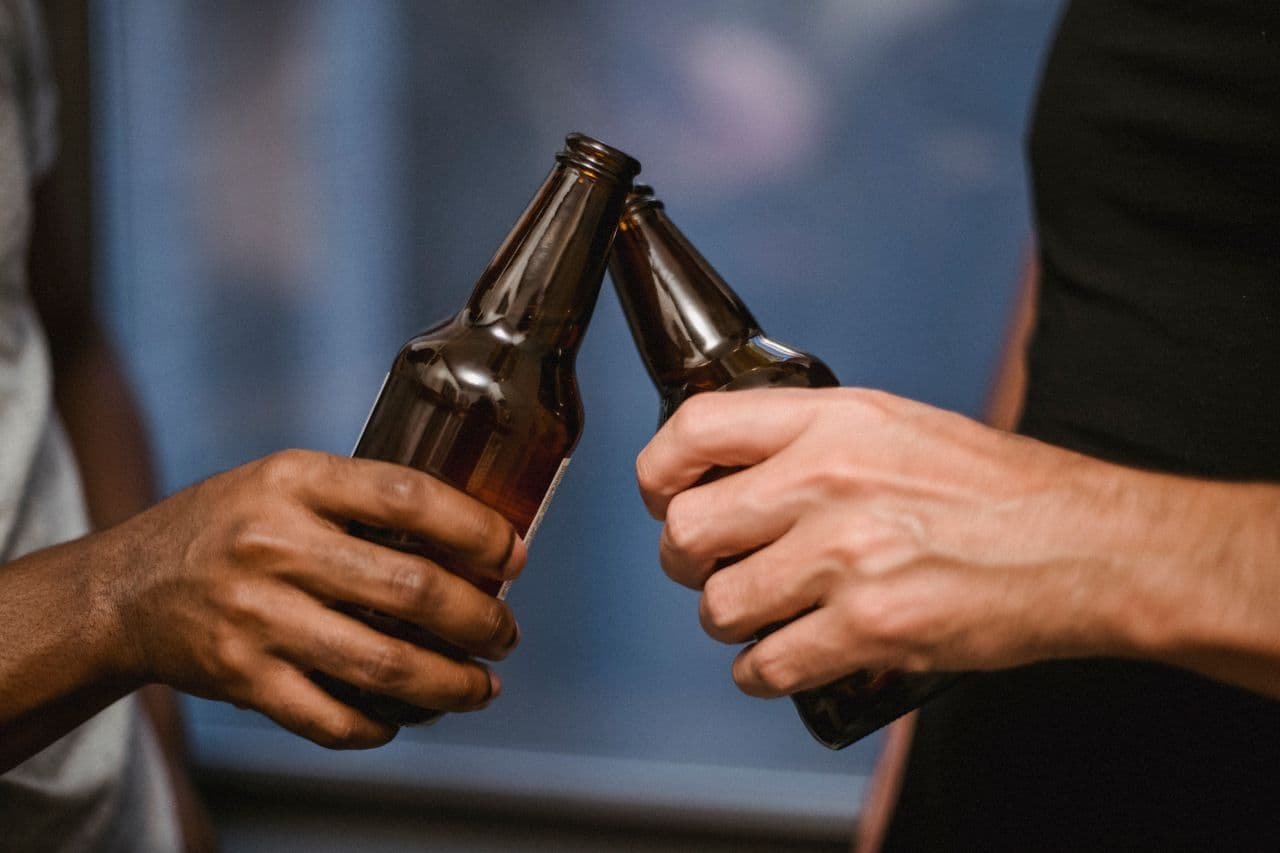
Alcohol can act like an anxiety remedy. It relaxes you and slows racing thoughts for a while. But drinking more than usual can leave you dealing with the effects the next day.
After a night of heavier drinking, you may wake up with a pounding heart and a replay of everything you said the night before. This next-day anxiety, sometimes called “hangxiety,” can make ordinary worries feel much bigger than they did the night before.
Sleep and Mood Take a Hit
A nightcap might help you fall asleep faster, but the sleep that follows is usually lighter and broken. Alcohol disrupts sleep in the second half of the night. You wake at 3 a.m. with a full mind. By morning you're tired and on edge; a rough place to start a day managing worry.
When this becomes a regular cycle, it wears on your mood. You may feel flatter, more irritable, or less interested in things you usually enjoy, and then you feel the pull toward another drink to take the edge off.
Signs Alcohol May Be Affecting Your Anxiety
Social drinking doesn't have to look dramatic to start causing problems. Pay attention if you drink to get through situations that make you nervous, you feel more anxious on the days after you drink than the days before, you feel uneasy at a dinner or party where no one is drinking, or you've started planning your evenings around when you can have a glass.
None of this means something is wrong with you. It means a coping tool that once worked is now charging more than it gives back, and you get to decide what to do about that.
Checking In With Yourself
Start with a plain look at your alcohol consumption. For two weeks, jot down what you drank, how you felt that night, and how your anxiety and sleep were the following day. You don't need to judge anything, only notice whether your worst mornings line up with your best nights out.
Then try a few drink-free tests. Skip alcohol at one event and see how you feel walking in, halfway through, and the next morning. Have a non-alcoholic option in your hand so you're not standing there with nothing to do.
If you find yourself dreading the experiment, that reaction is useful information about how much weight the drink has been carrying.
It also helps to name what you're actually reaching for. Maybe it's a way to switch off after work, a little courage around new people, or a break from your own thoughts. Once you know the need, you can look for other ways to meet it, such as a walk after work, a few slow breaths in the car before you go in, or a friend you can be honest with about feeling nervous.
You Don't Have to Sort This Out Alone
If cutting back feels harder than you expected, or your anxiety is loud even on days you don't drink, that's a good time to bring in support. Talking it through with someone who won't lecture you can give you honest space to look at what's driving both the worry and the drinking.
Anxiety therapy can help you understand where your worry comes from and build steadier ways to handle it, so a drink isn't doing that job for you. Reach out to talk with one of our clinicians.