
The Emotional Stages of Divorce for Men
Divorce changes nearly every part of life. It affects routines, relationships, finances, parenting, and the way a person sees the future.
Many men focus on handling the practical parts first. They sign paperwork, move into a new home, adjust parenting schedules, and return to work. While those tasks matter, emotions often stay in the background until there is finally room to process them.
Every man experiences divorce differently, and there is no set timeline. Still, many men notice similar emotional stages as they adjust to this major life change.
The Stage of Survival
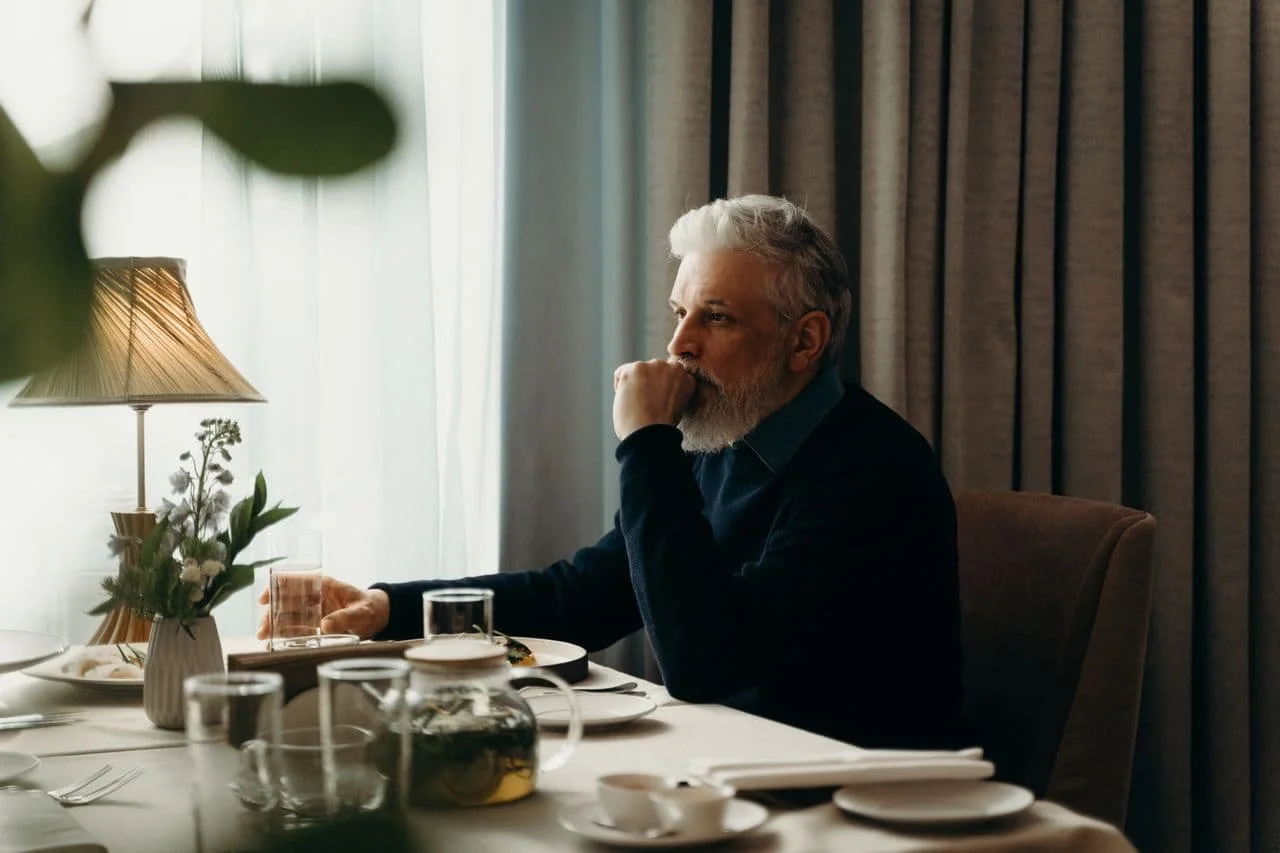
The first stage often feels like survival mode. Life may seem chaotic, and it can be difficult to focus. Some men throw themselves into work or stay busy every minute of the day. Others feel emotionally numb and simply go through the motions.
This reaction is common. The brain is working hard to manage stress and uncertainty. During this time, simple routines become important. Eating regular meals, getting enough sleep, staying physically active, and talking with trusted people can help create stability when life feels unpredictable.
The Stage of Anger
Anger often follows once the initial shock begins to settle. Some men feel angry with their former spouse. Others direct that anger toward themselves, family members, or even the legal process.
Anger usually points to something deeper. It may reflect hurt, disappointment, fear, or grief. Taking time to understand what is underneath the anger can prevent it from damaging relationships with children, friends, or coworkers.
Healthy outlets include exercise, journaling, counseling, or having honest conversations with supportive people. Expressing anger in productive ways allows healing to move forward.
The Stage of Grief
Many people expect grief after a death, but divorce brings grief too. Men may mourn the loss of daily family life, shared traditions, future plans, or the identity of being a husband. Fathers may also grieve the time they no longer spend with their children.
Grief can appear unexpectedly. A birthday, holiday, or family event may bring up strong emotions months after the divorce.
Giving yourself permission to feel sadness is an important part of recovery. Ignoring those feelings often makes them last longer.
The Stage of Self-Reflection
Once life becomes more stable, many men begin asking difficult questions. They may wonder what happened, what they could have done differently, or what they want in future relationships.
This stage creates an opportunity for personal growth. Honest self-reflection is about learning, not assigning blame. Looking at communication patterns, conflict styles, emotional needs, and personal boundaries can help create healthier relationships moving forward.
Many men discover strengths they did not realize they had. They become more confident, emotionally aware, and intentional about the life they want to build.
The Stage of Rebuilding
Healing does not mean forgetting the past. It means creating a future that feels meaningful again.
Rebuilding often starts with small choices. Spending time with friends, reconnecting with hobbies, setting personal goals, or trying new experiences can restore a sense of purpose. Fathers may focus on creating meaningful traditions with their children during parenting time.
It is also important to avoid rushing into another relationship simply to fill the emotional gap. Taking time to heal allows future relationships to develop from a healthier place.
Healing Takes Time
Many men believe they should recover quickly or handle everything on their own, but emotional healing rarely works that way. Processing a major life change requires patience, honesty, and support.
If you find yourself feeling stuck in anger, sadness, guilt, or loneliness, you do not have to work through it alone. Divorce therapy provides a place to process your emotions, learn coping skills, and rebuild confidence as you move into the next chapter of life. If you are ready to begin healing after divorce, consider contacting my office to learn more.

About the Author
Jason Fierstein, MA, LPC, is an Arizona licensed mental health counselor and owner of Phoenix Men's Counseling. He sees both individuals, including men and women, as well as members of the LGBTQ+ community, who are seeking help coping with depression, anxiety, anger, people-pleasing, and more. He additionally works with couples seeking marriage counseling as well as anyone seeking assistance in navigating infidelity or divorce. Jason offers sessions both in-person and online.